

Table of Contents
Khaleda Zia Death has triggered more than national mourning—it has reopened deep questions about democracy, dynastic politics, and geopolitical alignment in South Asia. As Bangladesh heads into a volatile political phase in 2025, the passing of Khaleda Zia, the country’s first female Prime Minister and long-time BNP icon, closes a chapter defined by rivalry, resistance, and raw power. From military rule to democratic transitions, from India skepticism to China outreach, her legacy still shapes policy debates. In a world increasingly polarized and strategic, her absence leaves a vacuum Bangladesh—and its neighbors—cannot ignore. – Rajesh Kumar Meena
Khaleda Zia Death and the Leadership Vacuum Inside the BNP
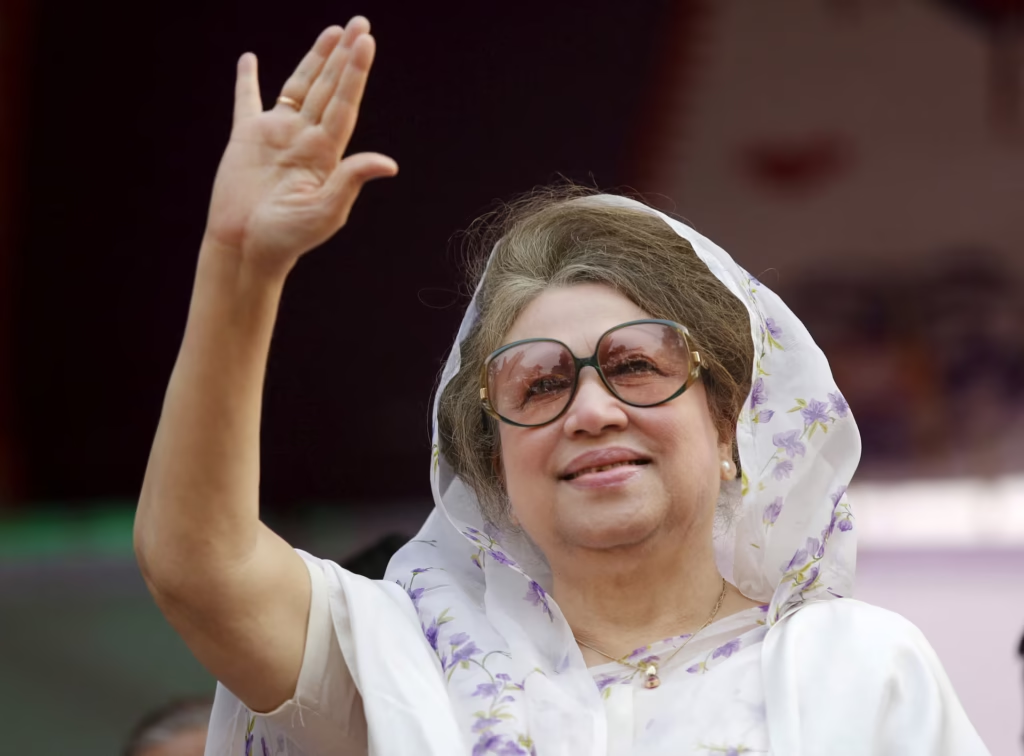
Khaleda Zia Death didn’t just end a political life—it ripped the anchor out of the Bangladesh Nationalist Party. For decades, BNP wasn’t just a party; it was her party. With Khaleda Zia gone, the BNP is now staring at its toughest identity crisis since the assassination of Ziaur Rahman. And let’s be blunt: this vacuum is real, messy, and dangerous for the party’s future.
The immediate consequence of Khaleda Zia Death is the sudden shift of power—formal and informal—to her son Tarique Rahman. On paper, this was always coming. In reality, the party wasn’t ready. Tarique has influence, yes, but he lacks the moral authority and mass emotional connect that Khaleda carried even while bedridden. Her presence alone kept factions quiet. Without her, old rivalries inside BNP are resurfacing fast.
This is where Khaleda Zia Death becomes more than a headline—it becomes a structural shock. Senior BNP leaders who stayed loyal out of respect are now recalculating. Regional leaders want autonomy. Veterans want relevance. Younger cadres want direction, not dynastic symbolism. Khaleda was the glue. Without her, BNP risks becoming a coalition of ambitions instead of a unified opposition force.
Another hard truth after Khaleda Zia Death: BNP’s legitimacy problem just got worse. The party has spent years alleging political persecution, imprisonment, and democratic erosion. Khaleda herself embodied that narrative. With her gone, BNP must now sell the same story without its strongest living proof. That’s a tougher pitch—especially to first-time voters heading into 2025.
Strategically, Khaleda Zia Death also weakens BNP’s negotiation power. Whether it’s dialogue with the interim setup, pressure on institutions, or signaling strength to international observers, Khaleda’s name carried weight. Foreign diplomats listened because she was history in human form. Tarique doesn’t yet command that room. Not in Dhaka, and definitely not abroad.
There’s also the psychological angle. For BNP workers, Khaleda Zia Death feels like losing a guardian. Many joined politics because of her defiance during military rule and later her rivalry with Sheikh Hasina. That emotional bond translated into street power. Without it, sustaining long-term mobilization becomes harder—especially under pressure.
The big question after Khaleda Zia Death is simple but brutal: can BNP evolve from a personality-driven movement into an institution-driven party? If it can’t, internal splits are inevitable. If it can, this moment—painful as it is—could force long-overdue reform.
Bottom line? Khaleda Zia Death didn’t just create a leadership vacuum inside the BNP—it exposed how dependent the party was on one towering figure. History respects legacy, but politics rewards adaptation. BNP now has to choose: rebuild with discipline or slowly fade into controlled irrelevance. No sugarcoating—it’s game time.
From Two Begums to One Era Ending: What Changes After Khaleda Zia Death
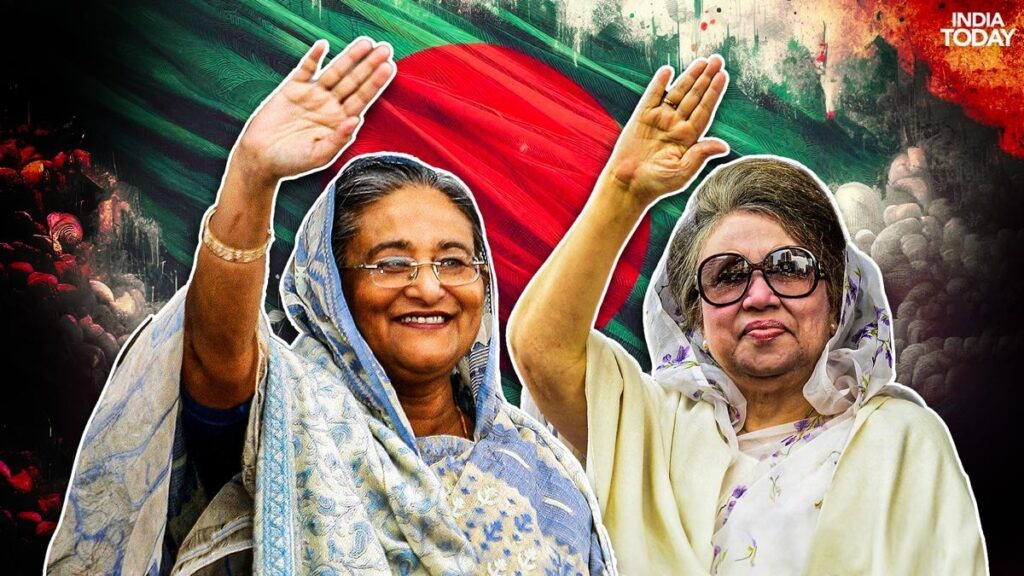
For over three decades, Bangladeshi politics revolved around one defining axis—the rivalry between two women. With Khaleda Zia Death, the era of the “Two Begums” has officially ended, and trust me, this isn’t just symbolic history-book stuff. This is a tectonic shift. Bangladesh has moved from competitive dual dominance to a near-single-pole political reality, and the consequences will echo well beyond 2025.
The phrase “Two Begums” wasn’t media drama—it was political structure. On one side stood Khaleda Zia, representing nationalist politics, skepticism toward India, and opposition to centralized authority. On the other stood Sheikh Hasina, embodying liberation legacy, pro-India engagement, and institutional continuity. Elections, protests, alliances—everything was filtered through this rivalry. With Khaleda Zia Death, that balance is gone.
The first major change after Khaleda Zia Death is the disappearance of political symmetry. Earlier, no matter how dominant one side became, the other always existed as a credible counterweight. Even when Khaleda was jailed or ill, her presence mattered. Now, opposition politics lacks a figure with equal historical stature. That doesn’t mean democracy is dead—but it does mean it’s structurally weaker.
Second, Khaleda Zia Death changes voter psychology. For older generations, politics was personal—Hasina vs Khaleda was almost familial. Younger voters, however, don’t carry that emotional baggage. With one Begum gone, politics risks becoming less participatory and more administrative. Lower emotional engagement often leads to lower political pressure, and governments—anywhere in the world—rarely self-regulate without pressure.
Another major shift after Khaleda Zia Death is narrative control. Earlier, national crises, elections, or international pressure triggered a predictable duel of narratives. Now, that duel is muted. BNP can still oppose, protest, and criticize—but without Khaleda, the counter-narrative lacks gravitas. This allows the ruling establishment to define “stability,” “development,” and even “democracy” on its own terms.
Internationally too, Khaleda Zia Death closes a familiar chapter. Global observers—India, the West, even China—were used to reading Bangladesh through the Two Begums lens. One pushed closer to Beijing, the other to Delhi. One emphasized sovereignty rhetoric, the other regional integration. With one axis removed, foreign policy may appear more predictable—but also less contested. Predictability sounds nice until accountability disappears.
Importantly, Khaleda Zia Death does not automatically strengthen Sheikh Hasina personally—it strengthens the system built around her. That’s a key difference. Political systems without strong opposition figures tend to shift power from personalities to institutions loyal to the ruling side. That can bring efficiency, sure—but it also raises red flags about dissent, media freedom, and electoral competitiveness.
The cultural impact matters too. The “Two Begums” era normalized women at the absolute center of South Asian power politics. With Khaleda Zia Death, that rare dynamic fades. The next phase may still include women leaders—but not with the same binary dominance that defined Bangladesh for a generation.
Bottom line? Khaleda Zia Death marks the end of an era where power was contested face-to-face, history vs history. What comes next is quieter, more centralized, and far less forgiving of mistakes. One era ended—but the consequences are just getting started.
Khaleda Zia Death and Its Impact on Bangladesh’s 2025 Electoral Landscape
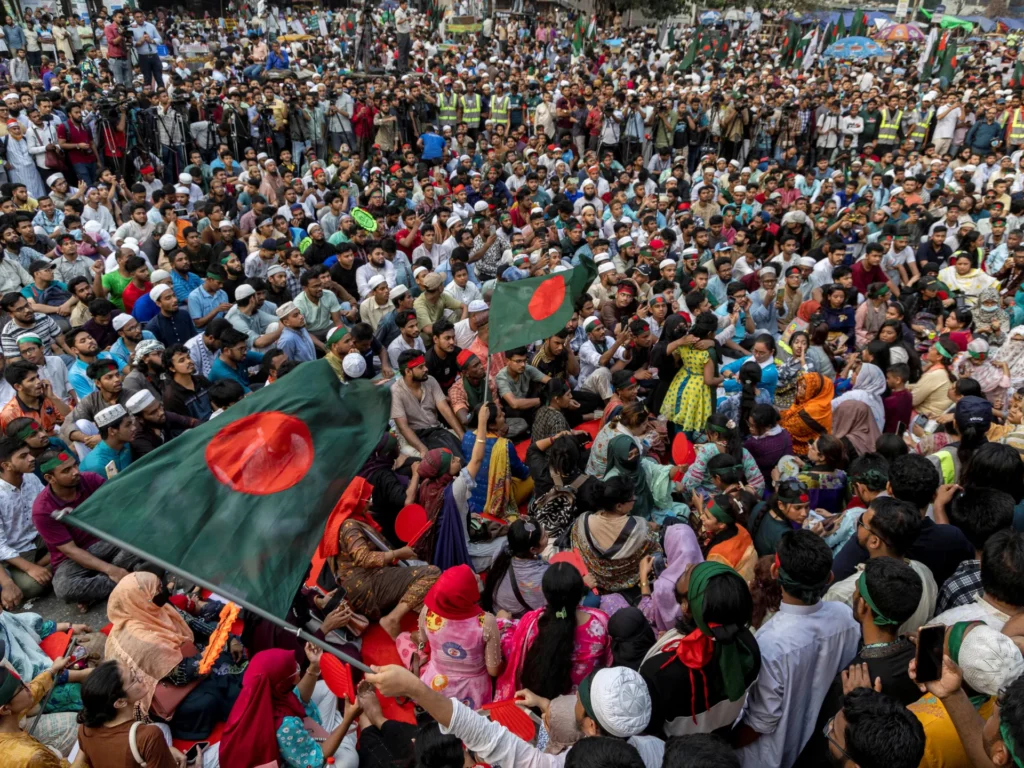
Khaleda Zia Death has landed right in the middle of Bangladesh’s most sensitive political calendar, and pretending it won’t reshape the 2025 elections would be straight-up denial. Elections aren’t fought only with manifestos—they’re fought with momentum, memory, and moral authority. And Khaleda Zia Death strips the opposition of all three at once.
First, let’s be clear: Khaleda Zia Death fundamentally weakens the emotional engine of the opposition vote. For decades, even when she wasn’t campaigning, Khaleda Zia herself was the campaign. Her imprisonment, illness, and defiance symbolized resistance. In 2025, that symbol is gone. BNP now has to ask voters to rally around strategy instead of sentiment—and that’s a much harder sell in South Asian politics.
Second, Khaleda Zia Death reshapes how the election narrative will be framed. Earlier elections revolved around fairness, victimhood, and personal injustice. Now, the ruling side can pivot to a “post-conflict stability” narrative, arguing that the era of confrontation has ended. That directly benefits Awami League, which can position itself as the sole custodian of continuity going into 2025.
From BNP’s perspective, Khaleda Zia Death creates a leadership and credibility gap on the ballot. The party still exists, the cadres are still there, but elections are about faces. Without Khaleda, BNP candidates lose the halo effect that helped them survive hostile conditions in previous cycles. Even neutral voters may now question whether BNP can realistically govern—or even effectively oppose.
Another major electoral impact of Khaleda Zia Death is voter turnout dynamics. Historically, high-stakes elections driven by personal rivalries pushed people to the polling booths. The “Hasina vs Khaleda” framing made elections feel consequential. With one pole gone, 2025 risks becoming a low-intensity election—great for incumbents, terrible for competitive democracy.
International optics also shift after Khaleda Zia Death. Foreign observers—especially Western democracies—often calibrated their concerns around how opposition leaders were treated. Khaleda’s presence made those concerns tangible. Without her, pressure for inclusive elections may soften, allowing the ruling establishment more room to control the process while still claiming legitimacy.
Importantly, Khaleda Zia Death also affects candidate selection. BNP may struggle to field strong, unified candidates across constituencies as internal factions push their own loyalists. Electoral fragmentation is a silent killer, and in a first-past-the-post system, even small splits can hand easy wins to the ruling party.
Now zoom out. Khaleda Zia Death doesn’t guarantee a landslide for anyone—but it tilts the electoral field. It reduces unpredictability, lowers emotional volatility, and shifts power from street politics to administrative machinery. In elections, that’s not neutral terrain.
The blunt truth? Khaleda Zia Death makes the 2025 election less about choice and more about confirmation. Unless BNP pulls off a rare reinvention, Bangladesh’s electoral landscape is heading toward controlled competition, not genuine contestation.
History respects giants—but ballots reward preparation. And after Khaleda Zia Death, the clock is ticking louder than ever.
India, China, and Strategy: How Khaleda Zia Death Alters Regional Calculations
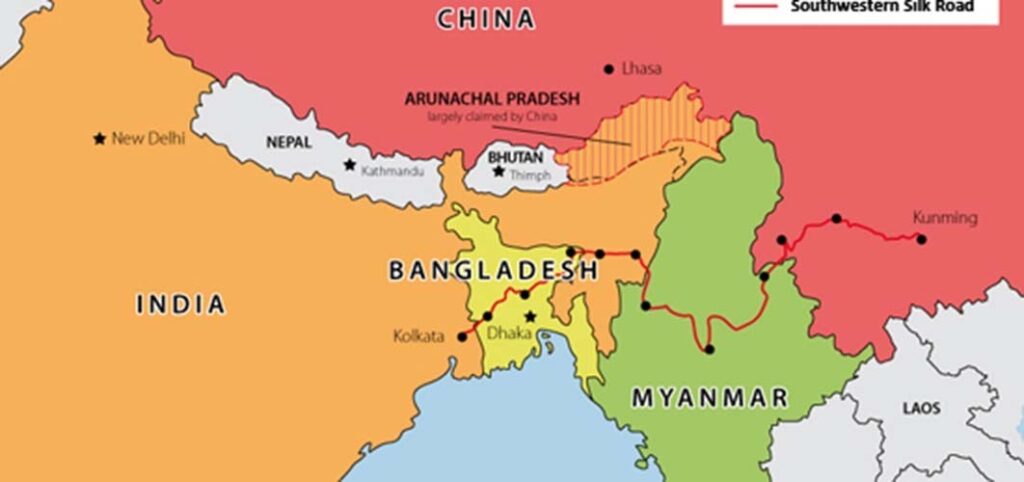
Khaleda Zia Death isn’t just a domestic political moment—it’s a regional strategic event. For India and China, Bangladesh has never been a passive neighbor; it’s a geopolitical pivot. And Khaleda Zia Death subtly but decisively alters how both powers read Dhaka in 2025.
Let’s start with the obvious. Khaleda Zia was never India’s favorite leader. Her worldview emphasized sovereignty, leverage, and transactional diplomacy. That posture gave China room to grow in Bangladesh. With Khaleda Zia Death, New Delhi quietly breathes easier—not because Bangladesh suddenly becomes pro-India, but because a major source of strategic unpredictability is gone.
For India, Khaleda Zia Death reduces friction risk. Her skepticism over transit routes, water-sharing agreements like Teesta, and security cooperation shaped Delhi’s cautious approach for years. Without her ideological imprint, India expects continuity—especially under systems aligned with Awami League. That means smoother coordination on connectivity, counterterrorism, and regional trade corridors in 2025.
China, however, reads Khaleda Zia Death very differently. Beijing invested heavily during her era—politically, militarily, and symbolically. Arms deals, infrastructure projects, and strategic signaling all benefited from her balancing act against India. With Khaleda Zia Death, China doesn’t lose Bangladesh—but it does lose its most comfortable political channel.
This is where Khaleda Zia Death becomes strategically important: it narrows Bangladesh’s diplomatic maneuvering space. Earlier, Dhaka could play India and China against each other more openly. Now, the center of gravity tilts toward stability over balancing. That doesn’t mean China exits—it means China must adapt, engage institutions instead of personalities, and compete on economics rather than ideology.
Another underappreciated impact of Khaleda Zia Death is on regional signaling. Smaller South Asian states often watch Bangladesh as a case study in managing big neighbors. The end of a leader known for resistance diplomacy sends a message: confrontational balancing is fading, pragmatic alignment is rising.
For India, this opens opportunities—but also responsibility. Without Khaleda Zia Death, Delhi can’t rely on rivalry politics to justify influence. It must deliver on promises—trade access, water agreements, people-to-people ties—or risk leaving space China can still exploit economically.
For China, Khaleda Zia Death is a reminder of a core weakness in its strategy: overreliance on elite-level relationships. Beijing now has to strengthen soft power and public legitimacy in Bangladesh, not just infrastructure footprints.
Zooming out, Khaleda Zia Death accelerates a broader 2025 trend: South Asia moving from personality-driven geopolitics to system-driven alignment. That favors predictability—but reduces bargaining leverage for smaller states.
Bottom line? Khaleda Zia Death recalibrates the India–China–Bangladesh triangle. India gains strategic comfort. China loses a familiar door but not the building. And Bangladesh steps into a quieter, more constrained—but also more stable—regional role.
No drama. No slogans. Just hard geopolitics adjusting to the end of a long, defiant chapter.
Democracy, Dynasties, and Dissent: Why Khaleda Zia Death Still Shapes the Future
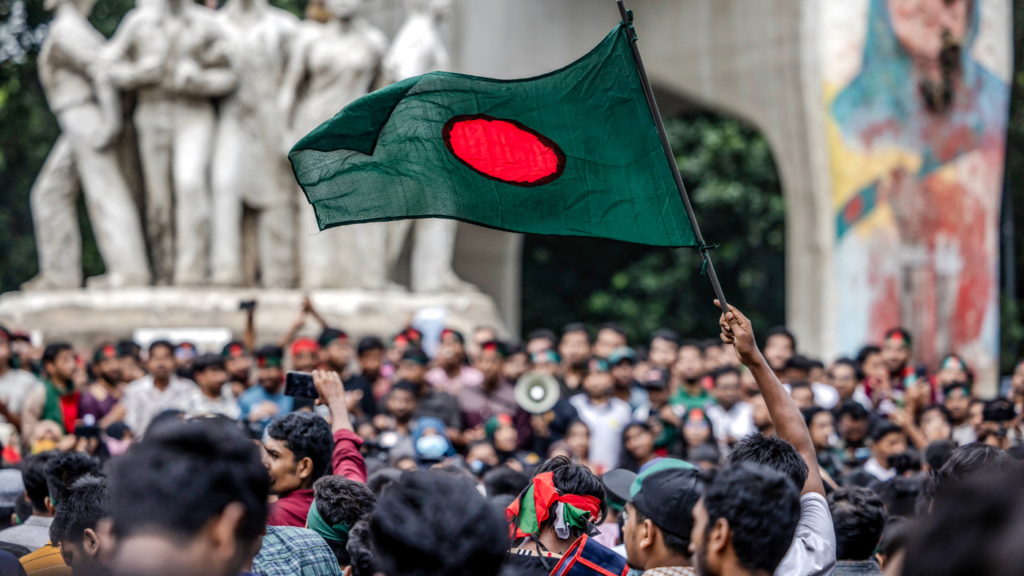
Khaleda Zia Death is already being treated like a closing chapter—but that’s the lazy take. The real story is how Khaleda Zia Death keeps shaping Bangladesh’s future debates on democracy, dynasties, and dissent long after the funeral crowds disperse. This isn’t nostalgia politics; it’s structural fallout.
Start with democracy. For years, Khaleda Zia embodied opposition itself—imperfect, controversial, but undeniably central. Khaleda Zia Death removes a living reference point for competitive politics. When one side of a long rivalry disappears, democratic pressure doesn’t vanish overnight—but it thins out. Institutions tend to relax when street heat drops. That’s the quiet risk embedded in Khaleda Zia Death.
Now dynasties—because let’s not dodge it. Khaleda Zia Death exposes how deeply dynastic Bangladesh politics really is. Power has long rotated between families, not ideologies. Her legacy passes to her son, while the state remains dominated by the rival camp led by Sheikh Hasina. For voters, especially the youth, Khaleda Zia Death sharpens an uncomfortable question: if politics is inherited, where does merit fit?
That’s where dissent comes in. Historically, dissent in Bangladesh wasn’t abstract—it had a face, a name, and a rival. Khaleda Zia Death removes a lightning rod. Without a towering opposition figure, dissent risks becoming fragmented: smaller protests, digital outrage, scattered civil resistance. None of this disappears—but it becomes easier to manage, easier to dismiss. That’s a long-term consequence of Khaleda Zia Death few are saying out loud.
At the same time, Khaleda Zia Death could unintentionally radicalize reform demands. When personality-based opposition collapses, movements often pivot toward ideas—electoral reform, media freedom, institutional checks. That transition is messy, but it’s also how political systems mature. The irony? Her Death may end personality politics by force, not choice.
There’s also a generational shift underway. Young Bangladeshis didn’t grow up voting for Khaleda or against Hasina—they grew up online, skeptical, globally aware. Her Death accelerates their disengagement from legacy rivalries and pushes them toward issue-based dissent—or total apathy. Both outcomes matter, and neither favors complacent governance.
Internationally, Her Death reshapes how democracy in Bangladesh is discussed. External actors often rallied around her treatment as a benchmark for political fairness. With her, that benchmark dissolves, and global pressure risks becoming procedural rather than principled.
Bottom line? She doesn’t freeze history—it unlocks a harder phase. Democracy without strong opposition, dynasties without challengers, dissent without icons. Bangladesh now has to decide whether it fills that space with institutions—or lets silence do the job.
That choice, more than any election slogan, is the real legacy of her.
About The Author






Leave a Reply